
Effective Residential Land Clearing for Your Property
When preparing your property for construction, gardening, or simply improving its appearance, effective land clearing is essential. Residential clearing services can help you transform your land into a clean, usable space. This process involves removing trees, shrubs, rocks, and debris to make way for new projects or landscaping. Understanding the best practices and considerations for land clearing will save you time, money, and effort.
Understanding Residential Clearing Services
Residential clearing services are specialised solutions designed to prepare your land for various uses. These services typically include:
Tree and brush removal
Stump grinding
Debris hauling
Grading and levelling the land
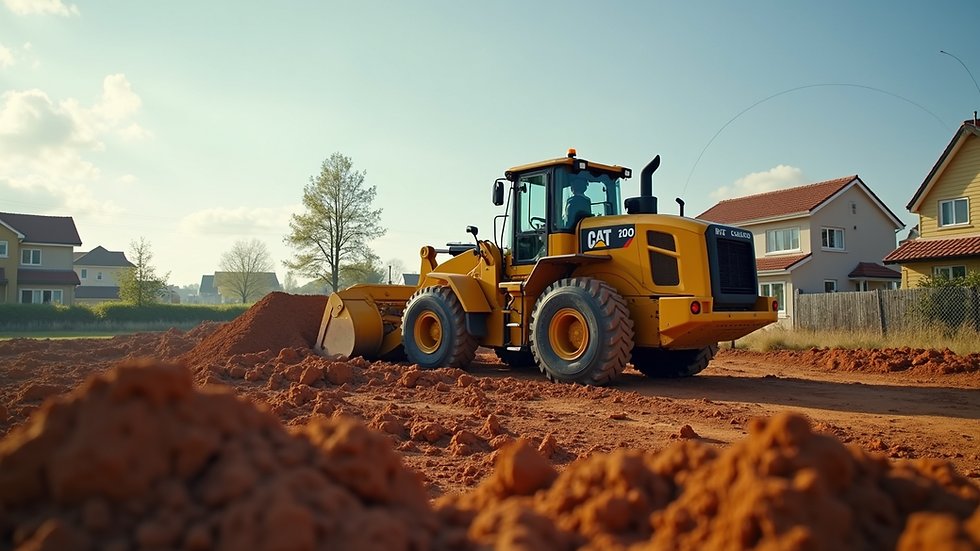
Professional companies use heavy machinery like bulldozers, excavators, and mulchers to clear the land efficiently. Hiring experts ensures the job is done safely and complies with local regulations.
For example, if you want to build a new garden or extend your driveway, residential clearing services will remove obstacles and prepare the soil. This preparation is crucial for a stable foundation and healthy plant growth.

Benefits of Hiring Residential Clearing Services
Choosing professional residential clearing services offers several advantages:
Safety - Clearing land involves risks such as falling trees and heavy equipment operation. Professionals are trained to handle these hazards.
Efficiency - Experts complete the job faster with specialised tools.
Environmental Care - Responsible companies follow eco-friendly practices, like recycling wood and protecting wildlife habitats.
Cost-Effectiveness - Avoid costly mistakes and damage by hiring experienced crews.
Compliance - Professionals understand local laws and obtain necessary permits.
For instance, a homeowner who cleared their land without professional help might accidentally damage underground utilities or remove protected trees, leading to fines and delays.

Do I Need a Permit to Clear My Own Land?
Before starting any land clearing project, it is important to check if you need a permit. Regulations vary depending on your location and the scope of work. Some common factors that influence permit requirements include:
The size of the area to be cleared
Proximity to protected areas or water bodies
Local zoning laws and environmental restrictions
Contact your local council or planning department to get accurate information. In some cases, failing to obtain a permit can result in fines or orders to restore the land.
If you plan to clear a small area for gardening, you might not need a permit. However, larger projects like building a driveway or removing many trees usually require official approval.

How to Prepare Your Land for Clearing
Proper preparation makes the clearing process smoother and more effective. Here are some practical steps:
Mark Boundaries: Clearly define the area to be cleared to avoid accidental damage to neighbouring properties.
Identify Utilities: Locate underground cables, pipes, and septic systems to prevent accidents.
Remove Valuables: Take out any items you want to keep, such as garden furniture or decorative stones.
Plan Waste Disposal: Decide how you will handle debris, whether through hauling, chipping, or burning (if allowed).
Consult Professionals: Get advice on the best clearing methods for your land type and goals.
By following these steps, you reduce risks and ensure the clearing process meets your expectations.
Tips for Maintaining Your Cleared Land
Once your land is cleared, maintaining it properly is key to preserving its value and usability. Consider these tips:
Regular Inspection: Check for regrowth of unwanted vegetation and remove it promptly.
Soil Management: Use mulch or cover crops to prevent erosion and improve soil health.
Pest Control: Monitor for pests that may invade cleared areas and take action early.
Landscaping: Plan and implement landscaping to enhance aesthetics and functionality.
Drainage: Ensure proper water drainage to avoid flooding or soil damage.
Maintaining your land after clearing helps you enjoy a safe, attractive, and functional property for years to come.
For more detailed insights and professional advice on residential land clearing, visit the linked blog. It offers valuable resources to guide you through every step of your land clearing project.


Comments